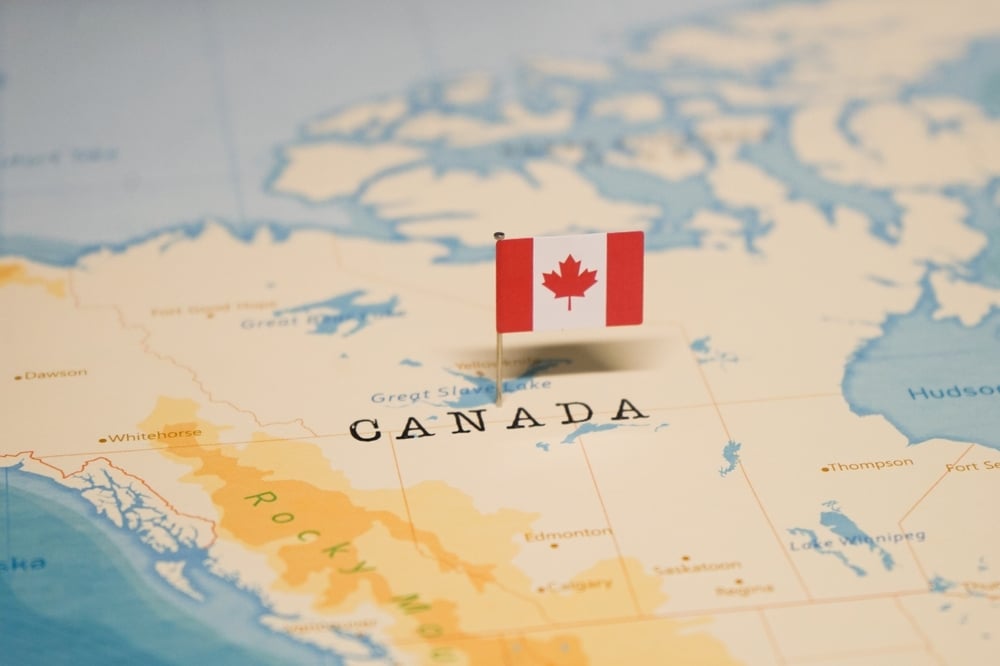
Canada must invest at least $30 billion by 2040 to meet domestic demand for critical minerals essential to its green energy transition, according to a new report from the Canadian Climate Institute. However, the report warns that cutting environmental safeguards and bypassing Indigenous consultation may ultimately delay projects rather than accelerate them. The study offers a comprehensive analysis of the sector’s investment needs, policy challenges, and the role of Indigenous participation.
Massive Capital Requirements Identified
The report estimates that domestic demand for six key critical minerals, including lithium and copper, will reach $16 billion by 2040, with electric vehicle manufacturing alone accounting for nearly half of that. To meet these demands, Canadian mining projects will require approximately $30 billion in capital investments. The report also cautions that this figure likely underestimates actual needs, as it excludes potential cost overruns that frequently impact mining projects.
Current Investment Falls Short
At present, the sector’s investment levels are far below what will be required. Between 2018 and 2023, mining investments averaged just $2 billion annually. The gap highlights the urgency for both private and public sector involvement to scale up financial commitments. The report suggests that government intervention through equity investments or financial risk-sharing agreements could help bridge this gap while ensuring long-term project viability.
Indigenous Participation and Environmental Standards
The report emphasizes that attempts to speed up project approvals by weakening environmental oversight or sidestepping Indigenous consultation are likely counterproductive. Community opposition and legal challenges could introduce significant delays. “Successful projects that are being developed fast are the ones that have participation from Indigenous communities, that have adhered to the highest environmental standard,” stated Marisa Beck, the report’s co-author and clean growth research director.
Policy Tensions and Legislative Pushback
Controversy surrounds recent legislative efforts in Ontario and British Columbia, where Bill 5 and Bill 15 respectively grant broad powers to exempt mining projects from certain regulations. Critics argue these measures undermine constitutional obligations to consult First Nations. The provincial governments maintain that the new laws balance efficiency with rights protections. Similar debates are unfolding at the federal level regarding legislation aimed at accelerating infrastructure approvals.
Policy Recommendations for Sustainable Growth
The report advises governments to fund Indigenous-led environmental assessments and support Indigenous communities’ rights to self-determination and economic participation. It also recommends that provinces strengthen mining regulations to minimize environmental risks and liabilities, including public disclosure of mine closure plans. These steps aim to ensure that the expansion of critical mineral mining aligns with environmental responsibility and Indigenous rights.
Conclusion
As Canada seeks to position itself as a leader in the global green economy, significant investment in critical minerals is essential. However, the path to rapid development must balance economic ambition with rigorous environmental standards and meaningful Indigenous participation to avoid long-term setbacks and ensure sustainable growth.