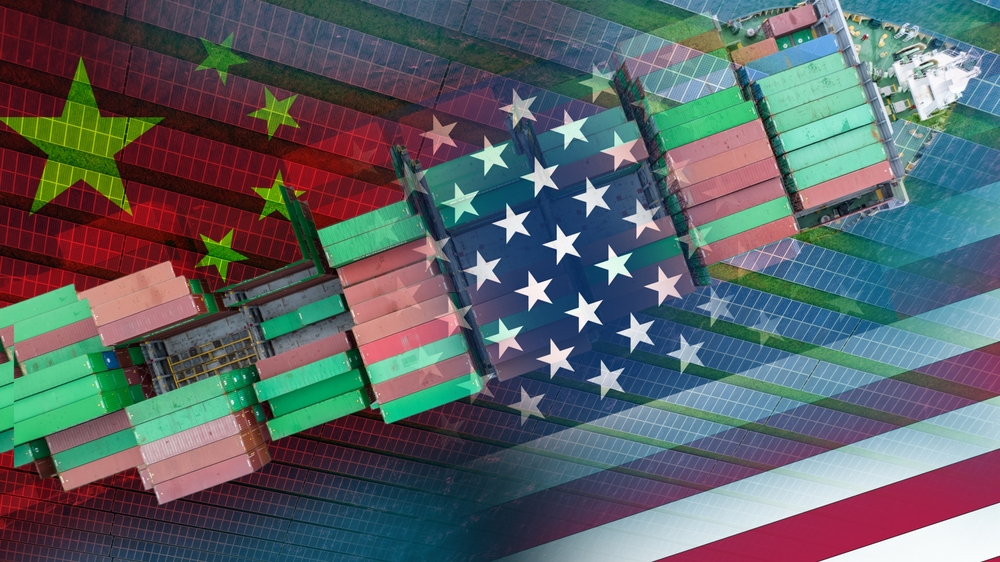
Tariffs Have Yet to Significantly Impact Inflation
Despite widespread fears, President Donald Trump’s tariffs have not yet caused significant inflationary pressures, according to recent data. The consumer and producer price indexes, published by the Bureau of Labor Statistics, showed a modest 0.1% rise in prices for May, indicating that inflation remains under control for now.
Factors Behind the Absence of Tariff-driven Inflation
Three key factors have contributed to keeping inflation in check despite the looming tariffs:
- Companies stockpiling imported goods ahead of the April 2 tariff announcement.
- The time lag for tariffs to affect the real economy.
- Consumers tightening their belts, limiting the pricing power of companies.
Nomura’s senior economist, Aichi Amemiya, suggested that the limited impact observed in May was due to pre-tariff stockpiling and the delayed pass-through of tariffs into import prices. He emphasized that the full impact of the tariffs will likely materialize in the coming months.
Early Signs of Tariff Pressures in Specific Areas
Although the overall inflation numbers remain subdued, there are isolated signs of tariff-driven price increases. Some products, particularly imports, have seen notable price rises:
- Canned fruits and vegetables: +1.9%
- Roasted coffee: +1.2%
- Tobacco: +0.8%
- Durable goods like major appliances (up 4.3%) and computers (up 1.1%)
Joseph Brusuelas, Chief Economist at RSM, pointed out that the increase in appliance prices is reminiscent of the surge seen during the 2018-2020 round of tariffs, particularly with imported washing machines.
Consumer Behavior and Its Role in Inflation
The ultimate effect of tariff-induced price hikes will depend heavily on consumer behavior. Consumers drive nearly 70% of U.S. economic activity, and their response to rising prices will determine the duration and scope of inflationary pressures. If consumers continue to curtail spending, especially on non-essential goods like vacations and recreation, companies may struggle to pass on higher costs.
The Federal Reserve’s Position on Tariffs and Inflation
While there are signs of potential price increases, the Federal Reserve remains cautious. Their recent report indicated a likelihood of future price hikes, but noted that some businesses are hesitant to raise prices. Luke Tilley, Chief Economist at Wilmington Trust, expressed that tariffs were more likely to cause economic weakness and deflation, rather than sustained inflation.
Potential Impact on the Federal Reserve’s Policy
As inflation remains low and employment numbers show cracks, the Fed is expected to hold off on rate cuts until September. If inflation proves to be transitory, the Fed may begin cutting rates later this year. However, if consumers push their inflation expectations higher, it may take longer for the Fed to act. The Fed’s stance will depend on how tariffs continue to affect prices and overall consumer sentiment.