Starbucks CEO Accelerates Green Apron Model Rollout
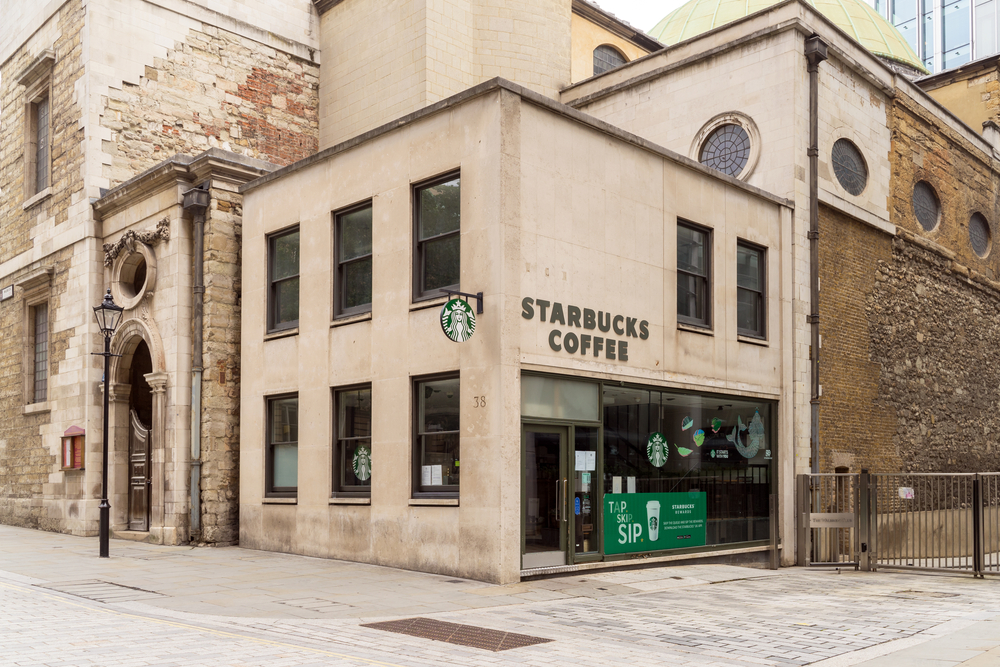
Starbucks CEO Brian Niccol announced plans to accelerate the rollout of the company’s new staffing and service model, the Green Apron, aiming to implement it in all 18,000 North American stores by the end of summer. Initially, the plan was to introduce the model in only a third of U.S. stores by the end of the year. The move is a key component of Niccol’s turnaround strategy for the company, focusing on enhancing the in-store customer experience to drive sales growth.
Model Aims to Boost Service Speed and Sales
Niccol shared that early tests of the Green Apron model have resulted in faster service times and higher sales. The new model includes in-store technology to optimize the sequencing of orders and introduces a dedicated barista for drive-through orders. Starbucks initially rolled out the model in 700 stores and plans to expand it across all U.S. locations by the end of the year. During Starbucks’ quarterly earnings call, Niccol emphasized the importance of focusing on the in-store experience rather than relying heavily on mobile and to-go orders, part of the company’s “Back to Starbucks” initiative.
Investment and Turnaround Strategy
Niccol, who became CEO in September, has set an ambitious goal of having baristas deliver orders in under four minutes. He did not provide financial figures regarding the deployment of the Green Apron model but mentioned that Starbucks would hold an investor day in 2026. Niccol’s strategic focus on improving customer service is expected to take time, with the effects on earnings being temporary as investments in labor and operational changes take precedence.
Stock Performance and Market Sentiment
While Starbucks shares have gained 11% over the last five years, they have underperformed compared to the broader market’s 88% gain. TD Cowen recently downgraded Starbucks’ rating from “buy” to “hold,” citing concerns over the long timeline for Niccol’s turnaround plan to show results. However, Niccol remains focused on improving in-store metrics such as wait times rather than short-term earnings-per-share growth.
Cost-Cutting Measures and Long-Term Growth
Niccol emphasized that cost reduction would not be the main driver of short-term performance. Instead, he plans to be “ruthless” in cutting expenses that do not contribute to the company’s turnaround and growth strategy. Starbucks’ investment in labor and other areas is a crucial part of the company’s long-term objectives to return to its coffeehouse roots.