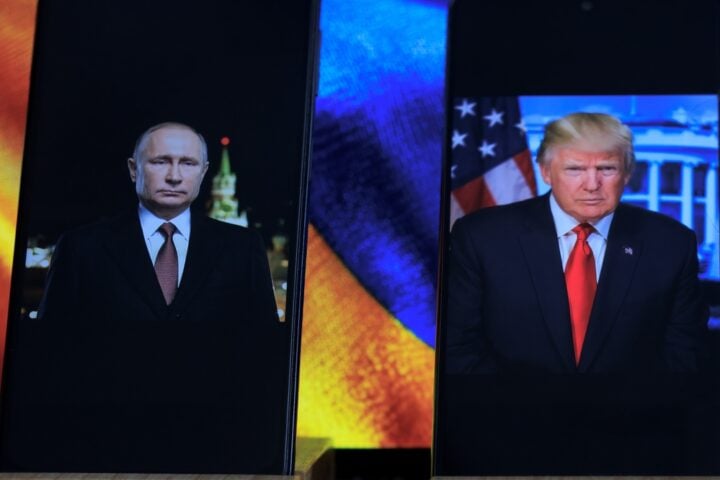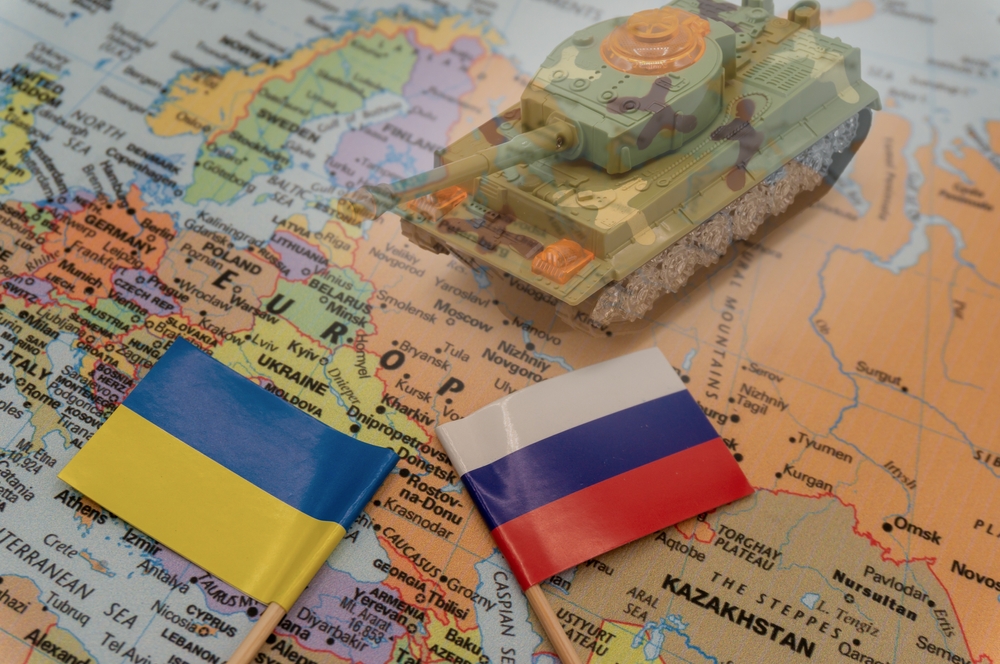
U.S. President Donald Trump held a lengthy conversation with Russian President Vladimir Putin on Wednesday, discussing the ongoing conflict in Ukraine. Despite the hour-long discussion, Trump conceded that the talks would not lead to immediate peace. Instead, he acknowledged that Russia would retaliate to Ukraine’s recent attacks on Russian airfields.
Conflict Continues Amid Negotiations
During the call, Trump did not discourage Putin from responding to Ukraine’s successful drone attacks on Russian airfields. The drone strike, which targeted several key Russian bombers, has escalated tensions. However, Trump stated that peace was not imminent, and Putin emphasized that Russia would act in response to the attacks.
Putin Rejects Comprehensive Ceasefire
Putin reiterated his stance that a full ceasefire in Ukraine would not benefit Russia, arguing it would allow Kyiv to regroup and rearm. He dismissed Ukraine’s call for an unconditional ceasefire of 30 to 60 days and criticized Ukrainian attacks on Russian territory as “terrorist acts.” This reflects the ongoing difficulties in achieving a lasting truce, as both sides continue to clash over territorial and military issues.
Focus on Humanitarian Concerns
Despite the impasse in peace talks, there were signs of cooperation on humanitarian issues. Both sides signaled progress in areas such as prisoner exchanges and the return of fallen soldiers’ bodies. Additionally, Russia confirmed its efforts to return more than 300 Ukrainian children who had been abducted during the conflict. The United Nations and the International Criminal Court (ICC) have raised concerns over these alleged abductions, further complicating diplomatic relations.
Continued Tensions with the U.S. and China
Simultaneously, trade tensions between the U.S. and China remain high, with Trump’s administration intensifying its pressure on China regarding tariffs and trade agreements. Trump’s ongoing rhetoric surrounding China has added another layer of uncertainty to the geopolitical landscape, further complicating efforts for global peace.
Ukraine’s Response and Prospects for Peace
Ukrainian President Volodymyr Zelenskyy has rejected the broader peace proposals presented by Russia, describing them as ultimatums. Zelenskyy has repeatedly challenged Putin to a face-to-face meeting, but Putin remains opposed, citing the recent attacks on Russian infrastructure. Despite these differences, Zelenskyy remains open to diplomatic efforts, including a potential summit with Putin facilitated by Turkish President Recep Tayyip Erdoğan.
The Role of European Diplomacy
In the wake of the ongoing crisis, European leaders have increasingly sought to take a more prominent role in supporting Ukraine. At a NATO meeting in Brussels, military and industrial support measures for Ukraine were discussed, reflecting the growing international commitment to bolster Ukraine’s defense against Russian aggression. With the U.S. maintaining its focus on tariffs and trade, Europe is stepping up to fill the leadership void in diplomatic efforts.